

RAG Development Services
RAG development services that ground AI answers in your own documents and data, with senior engineers building accurate, secure retrieval pipelines.





Custom
RAG
Development Services
RAG Application Development
Build assistants and search experiences that answer questions from your documentation, contracts, product data, and support history, with sources cited in every response.
Data Ingestion & Processing Pipelines
Turn PDFs, wikis, tickets, and databases into clean, well-structured, searchable content, with pipelines that keep the index fresh as your sources change.
Vector Search & Hybrid Retrieval
Combine semantic search, keyword matching, metadata filters, and reranking to surface the right passages, even for vague or highly specific queries.

RAG Evaluation & Accuracy Tuning
Measure retrieval precision, answer faithfulness, and hallucination rates against real user questions, then tune chunking, embeddings, and prompts based on evidence instead of guesswork.
Enterprise Knowledge Assistants
Internal copilots that respect document-level permissions, so every employee gets answers only from content they're allowed to see.
Embedded RAG Specialists
Extend your team with engineers who have debugged retrieval in production and know that most RAG problems are data problems, not model problems.

Hire
RAG
developers
Get AI answers your users can trust, built by engineers from Latin America who own pipeline quality end to end.
- Proven work across retrieval, data engineering, and LLMs
- Full overlap with U.S. time zones
- Clear communication backed by strong English
- Permission-aware design for confidential content

Why us for software development

Proven track record
We've helped U.S. companies scale high-performing teams through nearshore development, delivering consistent results in speed, code quality, and long-term product success.


Nearshore developers
Work with senior developers in your time zone, fully aligned with your workflows, communication style, and product goals.


Extensive talent network
Access a curated network of 70,000+ vetted professionals, making it faster and easier to hire developers who match your technical and cultural requirements.

Security first
As ISO 27001:2022 certified, we protect your data and operations with enterprise-grade security and compliance.

Our stack for
scalable products
Ingestion & Data Sources
PDFs, wikis, databases, and SaaS tools flow into a single pipeline that cleans, chunks, and refreshes content automatically.
Embeddings & Models
The choice of embedding model and LLM has a direct impact on accuracy, latency, and cost per query.
Vector Databases & Search
Purpose-built vector stores or your existing database, depending on scale, budget, and the infrastructure already in place.
Orchestration Frameworks
Retrieval, reranking, and generation steps connect through proven frameworks instead of fragile custom glue code.
Evaluation & Quality
Faithfulness, relevance, and hallucination metrics turn "it looks right" into numbers you can track release after release.
Deployment & Operations
Containerized services with caching, monitoring, and CI/CD keep response times low as usage grows.
Our 3-Step Process
01
Define your needs
We start by understanding your goals, technical requirements, timeline, and the best engagement model for your project.
02
Build the right solution
Whether you need specialized engineers or a dedicated team to own delivery, we bring together the right expertise for your needs.
03
Launch and scale
We handle onboarding and setup or manage project delivery end to end, with ongoing technical support as your needs evolve.
Ready to get started?
Numbers that define us
Team members
NPS Score
Retention rate
Countries
Vetted candidates
RAG
About Development
Large language models know a lot about the world, but nothing about your business. Retrieval-augmented generation (RAG) closes that gap: before answering, the system searches your own documents and data, then uses what it finds to write a grounded response. The result is AI that cites its sources, stays current, and makes far fewer things up.

RAG delivers accurate, up-to-date answers without retraining a model. Every response can point back to its source, which builds user trust and makes auditing simple. Updating the AI's knowledge is as easy as updating the documents, and sensitive data stays under your control.
Customer support assistants that answer from help center articles and past tickets, internal knowledge search across wikis and shared drives, legal and compliance research over contracts and policies, sales enablement with product and pricing data, and technical assistants built on engineering documentation.
A RAG system combines several layers: embedding models from providers like OpenAI or open-source alternatives, vector databases such as Pinecone, Weaviate, or pgvector, frameworks like LangChain and LlamaIndex, and LLMs such as Claude or GPT to write the final answer. Getting each layer right, and making them work together, is where most of the accuracy comes from.
Fine-tuning changes how a model behaves; RAG changes what it knows. For most use cases built on company knowledge, RAG is faster to build, cheaper to maintain, and easier to keep current, since new information only needs to be indexed. The two approaches can also be combined when a project needs both.
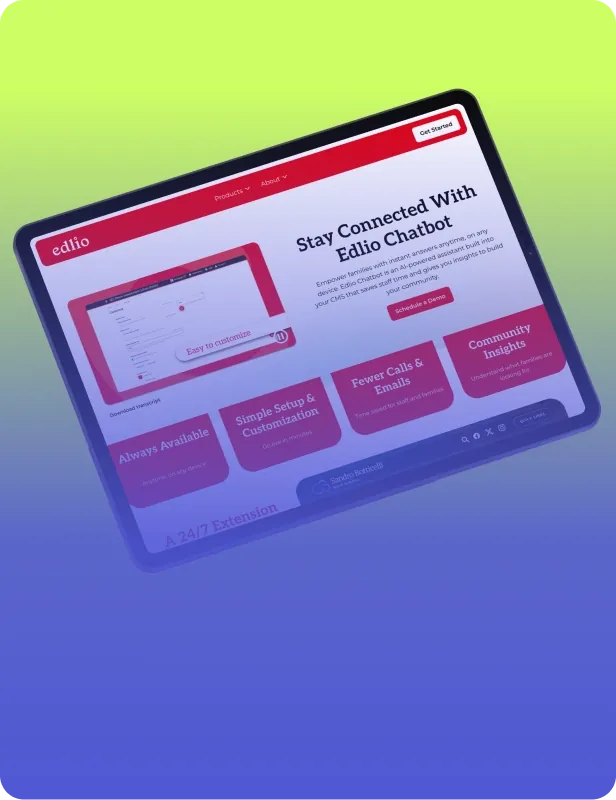
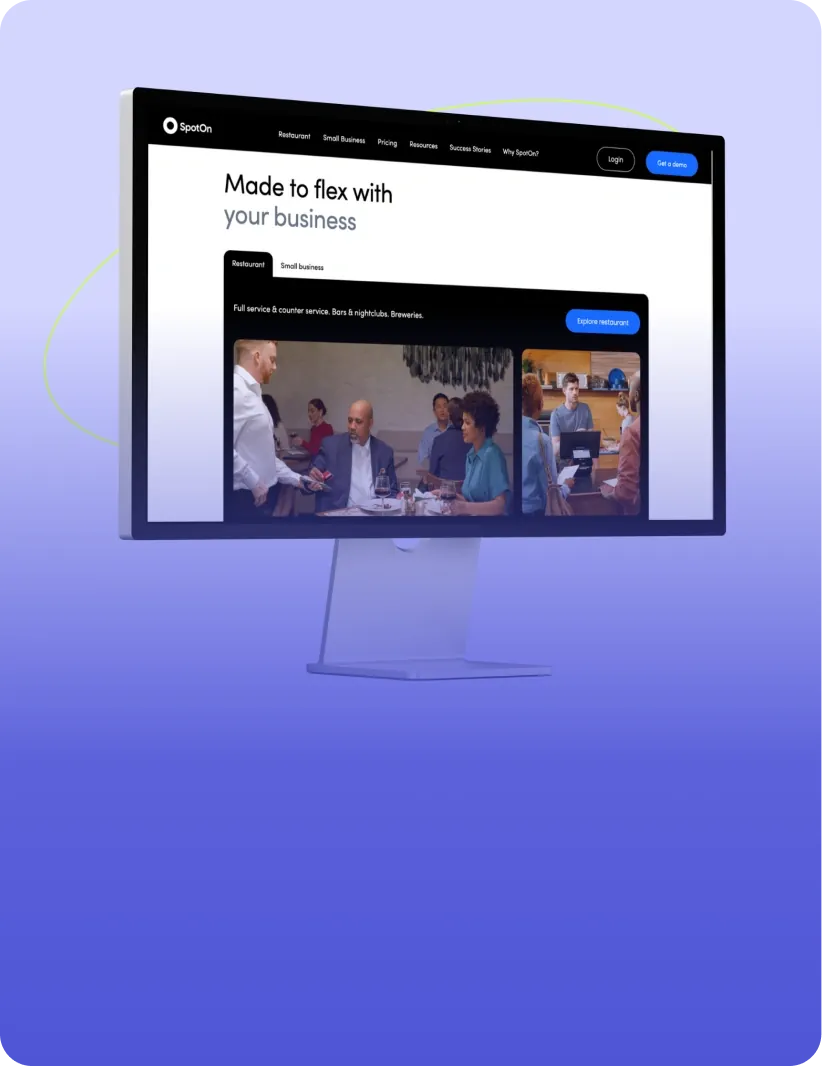
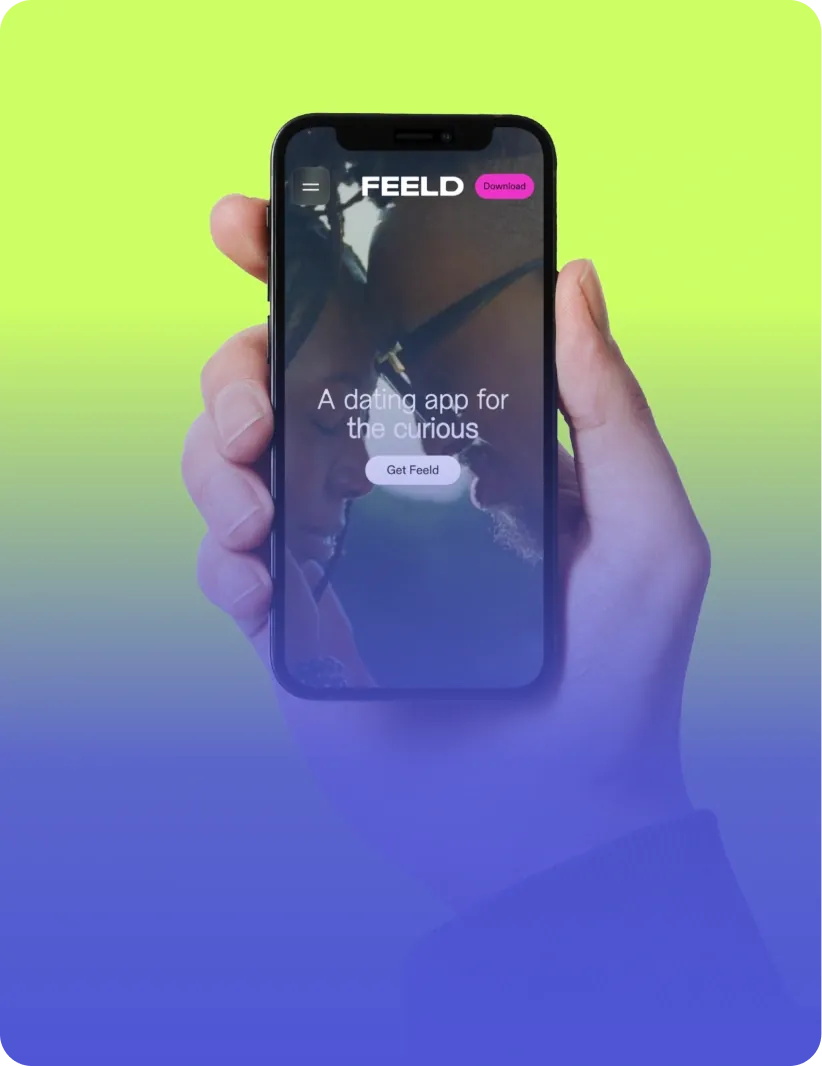
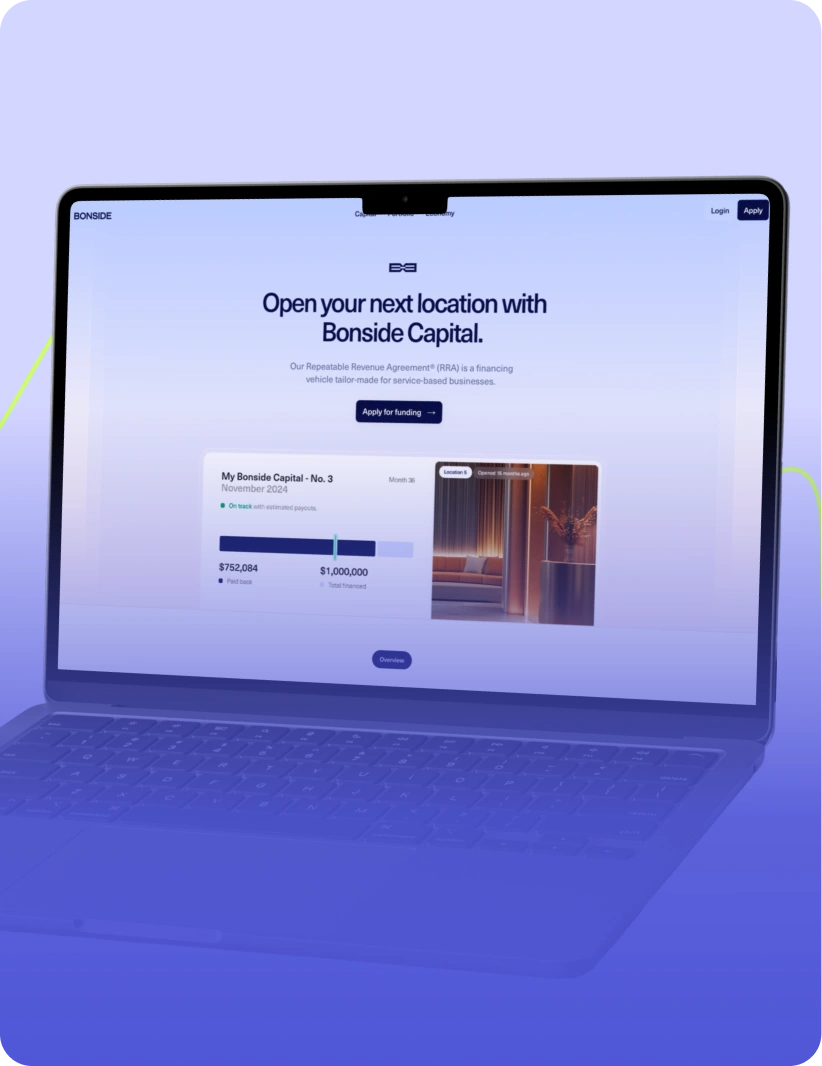
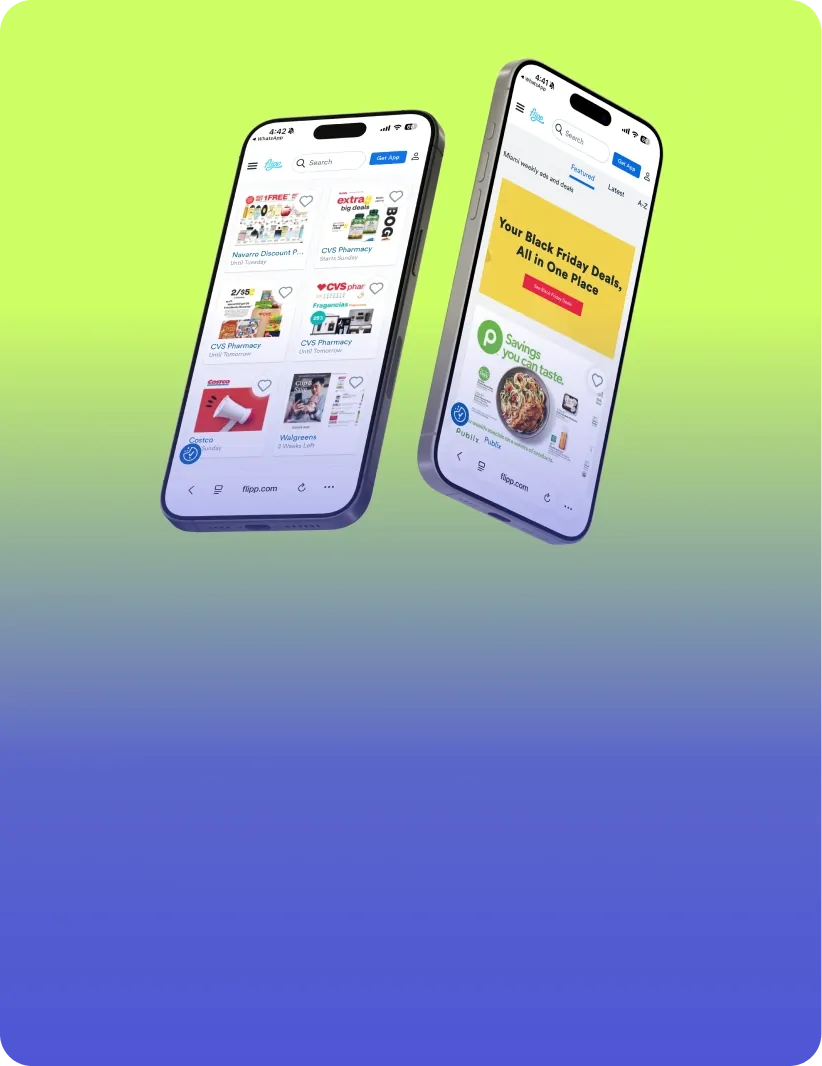
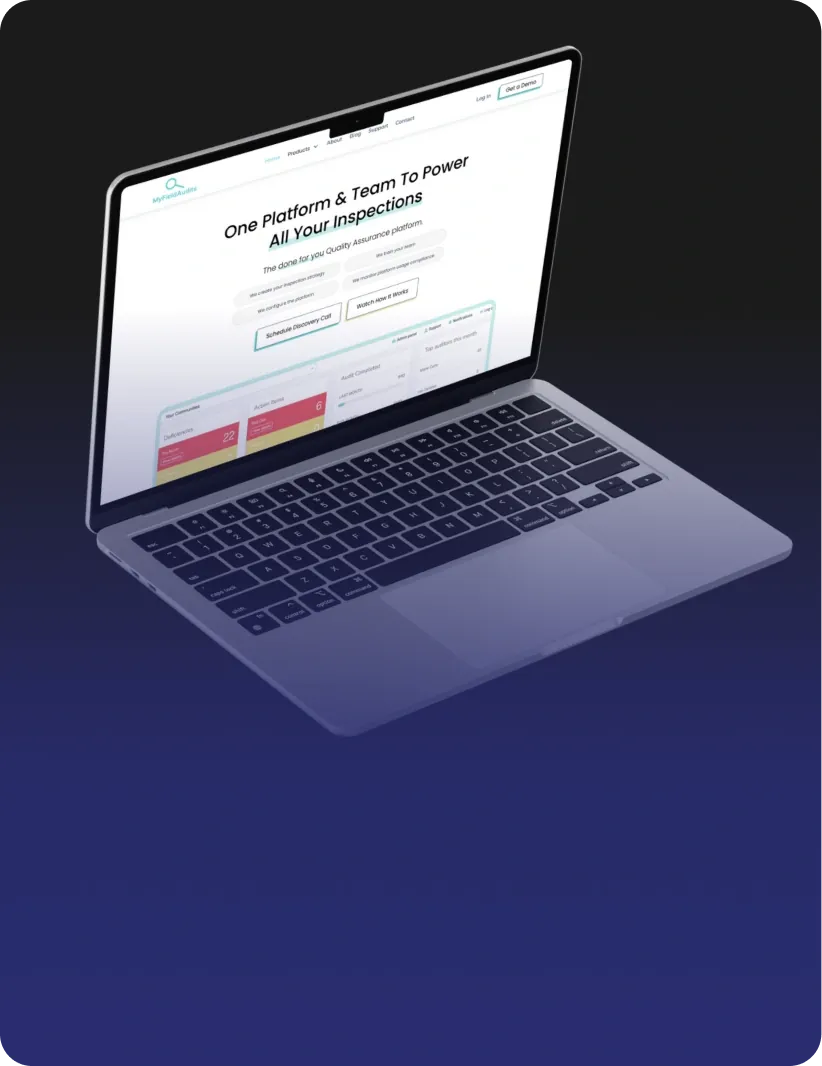
Built by our nearshore teams





RAG
Development FAQs
What does a RAG system built by your AI engineers include?
Ingestion pipelines for your documents and data, a retrieval layer that finds the most relevant passages, and an LLM that uses them to generate accurate answers with cited sources.
What data sources can your team connect?
PDFs, Word files, wikis, help centers, support tickets, databases, spreadsheets, and tools like Confluence, Notion, or Google Drive, as long as the content can be extracted and indexed.
How long does it take your engineers to build a RAG solution?
A working prototype on a focused dataset typically takes a few weeks. Production timelines depend on the number of sources, data quality, permissions, and accuracy targets.
How do your engineers reduce hallucinations?
Through stronger retrieval (hybrid search, reranking, metadata filters), prompts that keep the model tied to the retrieved context, source citations, and continuous evaluation against real questions.
How does your team keep our data secure in a RAG system?
Our engineers can keep data in your own cloud, mirror your existing permissions, and choose model providers based on your privacy and compliance requirements.
When do your engineers recommend RAG over fine-tuning?
For most knowledge-based use cases, RAG is the better starting point: faster to build, more affordable, and easier to update. Fine-tuning makes sense when you need to change a model's style or behavior, and both can work together.